The Slow Death of the Sitewide Sale: Why It Stopped Working
 By Muhammed Tüfekyapan
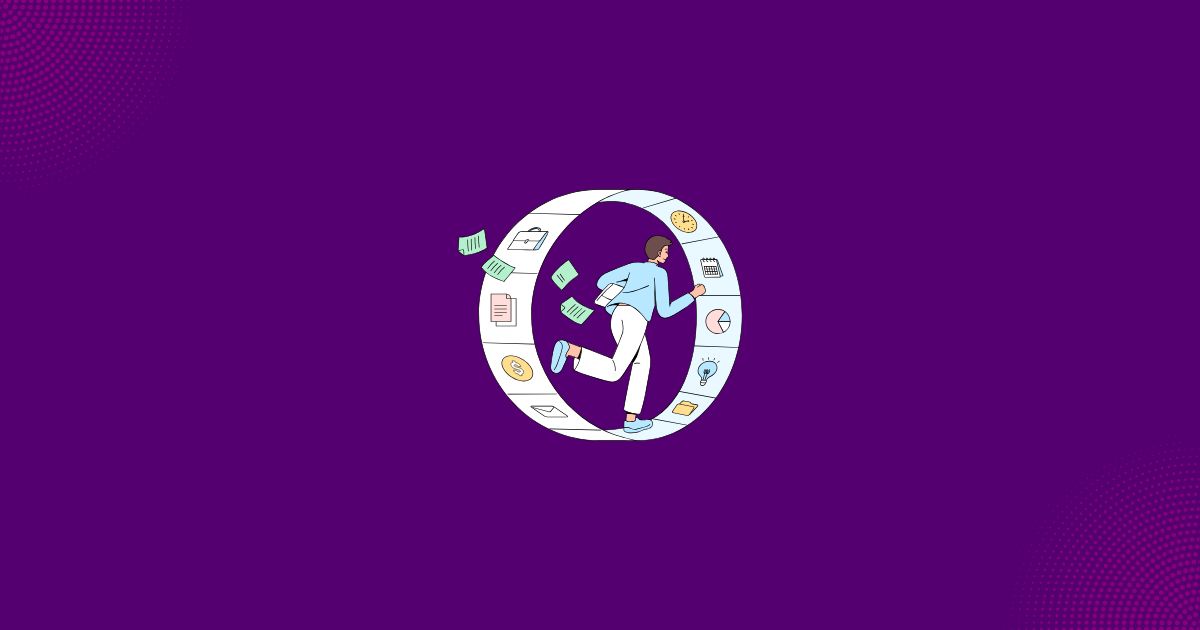
A sitewide sale used to buy two things for one price. A markdown, and a crowd. The markdown half still works exactly the way it always did. Open Shopify, build a code, set it to 25% off everything, and it is live in twenty minutes. Nothing about that broke. The crowd is the part that stopped showing up, and most stores are still paying the full 2016 price for it.
So you keep buying the package and keep getting half of it. Each sale lands a little softer than the last one. And the meeting always ends the same way. Go deeper. Try 30. Try 40. The sitewide sale is not fading over margin. It is fading over distribution. You can still cut the price for everyone at once. You can no longer tell everyone at once. That one change turned a demand-creating event into a rebate on traffic you had already earned.
By the end of this you will have one number to run on your own store's history. It is called the Announcement Share. It tells you whether your last storewide sale created shopping trips or just discounted the ones already happening. Start with what you were actually buying, because it was never the price cut.
You Were Never Buying a Discount. You Were Buying an Audience.
A storewide markdown sells you two things at the same time. A lower price, and an event loud enough that people with no plans to shop find out and come anyway. The second one is the product. The markdown is the invoice. Most stores track the invoice down to the penny and never measure the product at all.
What the Sale Was Supposed to Produce
The point was never the individual order. It was the trip. Somebody who had not thought about your brand in six weeks saw the announcement and remembered the thing they looked at in March. Then they made a visit that was not on their calendar. That visit is the asset. Paying twenty or twenty-five points of margin to manufacture it was a fair trade, back when the manufacturing worked. So the real question is not whether your discount is too deep. It is whether those visits still get manufactured, or just taxed.
The Announcement Share, and How to Run It on Your Last Sale
Pull every order from your last sitewide sale that used the discount. That is your bottom number. Now pull the orders your email and ad platforms credit to the campaign that announced it. That is your top number. Divide. The result is your Announcement Share, and it is the portion of your markdown that actually bought reach. The rest went to people who were already on their way in.
There is no published benchmark for this, and you do not need one. Run the same math on a sitewide sale from 2022 and set the two numbers next to each other. The gap is not a statistic you can look up in a report. It is the exact share of your markdown that stopped buying an audience and started refunding traffic you had already paid for once.
Your Announcement Share is the part of the markdown that bought reach. Everything under it was a rebate on people who were already walking through the door.
Your Audience Did Not Shrink. It Stopped Standing in One Place.
Four things broke the announcement. Not one of them has anything to do with your margin or your discount depth. Owned reach went first. Promotional tabs, more senders fighting over one inbox, a list that opens when it feels like it. Then paid reach turned into a meter. Every person you tell now has a price on their head, and that line barely existed when the sitewide playbook was written. Third, your whole category discounts constantly. When something is on sale most weeks, no single storewide event reads as an event. The fourth one gets its own heading.
The Checkout Layer Hands Out Your Code For You
There is a second distribution channel you did not build and do not control. A shopper arrives with full intent and gets to checkout, where a browser extension or a code-finding tool tests every public code it can find. Your campaign discount attaches itself to an order that needed no incentive at all.
Watch what that does to the Announcement Share. It pads the bottom number with orders your announcement never touched. The more publicly your sitewide code travels, the more of your markdown lands on people who were already buying. You built a campaign. Somebody else built a coupon pipeline out of it.
Your Price Is Read Now, Not Seen
A growing share of buying decisions starts somewhere that is not your storefront. A shopping feed. A comparison page. An assistant reading prices as numbers in a list. None of those places have room for a hero image, a banner, or the word SALE in 48-point type.
When your price is read instead of seen, the markdown stops being an event and turns into a silent price change. You pay the full margin cost and collect none of the announcement effect. That is not a weaker sitewide sale. That is half of one.
| The same sale, two eras | Sitewide sale, 2016 | Sitewide sale, 2026 |
|---|---|---|
| How people found out. | One send to a list that mostly opened it, plus a homepage banner. | Scattered across promo tabs, feeds, and placements you rent by the impression. |
| Cost of the announcement. | Close to zero, because the reach was owned. | A real line item, priced per person told. |
| Who takes the discount. | Mostly people the announcement pulled in. | Mostly people already headed to your store, plus codes surfaced at checkout. |
| What it produced. | A shopping trip that would not have happened. | A markdown on a trip that was happening anyway. |
| Where the price gets read. | On your storefront, right next to the banner. | In feeds and comparison pages where the banner does not exist. |
| Category context. | A handful of sales a year, so each one registered. | Something on sale most weeks, so nothing registers. |
Your audience did not get smaller. It got harder to gather. A price cut for everyone only made sense back when everyone could be gathered in one afternoon.
The Price Decision Moved Off the Storefront and Into the Session.
What is replacing the sitewide sale is not another sale format. It is a different address for the price decision. Broadcast pricing changes one price, tells everybody, and applies to everybody. Addressed pricing changes one price, for one visitor, at the moment their behavior says they are leaving. You trade scale for precision, and precision is now the cheaper of the two. If you are sizing up discount apps on Shopify, that difference between broadcast and addressed pricing is the first thing to check.
An Offer With No Reach Problem to Solve
Look back at those four forces. Every one of them is a reach failure. Fragmented inboxes. Metered ad reach. Banners that never render in a feed. All of it is about reaching a person who is somewhere else.
An offer made inside a live session has none of those failure modes. The person receiving it is already on the page. Reach is 100%, and reaching one more visitor costs nothing. That is why this is a real shift and not a swing in fashion. Addressed pricing is not simply more targeted than a sitewide sale. It is immune to the exact thing that killed one.
Two Kinds of Shopper Are Standing in Your Store Right Now
Broadcast pricing has to treat your traffic as one audience. That is its second flaw. Your traffic has never been one audience. A visitor comparing variants, rereading reviews, coming back for a third look is a dedicated buyer. They convert at full price whether or not a banner is up. Another visitor drifts through the catalog, parks an item, and slides toward the exit with an "I'll buy it later" mentality. That one is a walk-away customer. They leave without buying unless something changes in the next minute. A storewide markdown pays both of them the same. Addressed pricing pays only the second one, because it watches the session instead of the calendar.
That is the theory. In practice, Growth Suite reads behavior during the live visit and separates the dedicated buyer from the walk-away customer. Only the second group ever sees an offer, and it is one personalized code with a real deadline on it. Depth and duration scale to how much of a nudge the behavior calls for. Targeting can account for earlier visits too, like someone who added to cart last time and left. No announcement budget. No audience to assemble. Full price holds for everyone who was going to buy anyway.
| Question | Broadcast pricing (sitewide) | Addressed pricing (in-session) |
|---|---|---|
| What triggers it. | The calendar. | What the visitor is doing right now. |
| Who has to be told first. | Everyone, in advance, at your expense. | Nobody. They are already on the page. |
| If the announcement underperforms. | The markdown runs anyway, on whoever shows up. | Nothing goes live until behavior calls for it. |
| Cost to reach one more person. | Rising, and metered by the impression. | Zero. |
| How you judge it. | Gross revenue inside the window. | Conversions recovered from sessions that were leaving. |
| Effect on full price. | Marks down the whole catalog for everybody. | Leaves full price alone for everyone who needed no nudge. |
An offer made inside the session reaches 100% of the people it was meant for. They are standing in your store while you make it.
The Sitewide Sale Has One Job Left, and It Is Not the One You Are Using It For.
Now the honest part. Black Friday still works. Labor Day still works. Saying otherwise would be a lie you could check in your own reports. But look at why they work, because the reason proves the argument. On those dates the announcement comes from outside and costs you nothing. The culture gathers the audience for you. Your markdown rides a message you never paid to send.
Rent the Announcement Instead of Paying For It
When the shopper already knows the date exists, your job shrinks from creating awareness to showing up. That is a much cheaper job. Named, dated occasions hand you that for free. A holiday weekend. A state sales tax holiday. The last week of a season. Three things separate the storewide sales that still clear their cost from the ones that quietly do not.
- Named: somebody outside your store is already saying the date out loud.
- Dated: a real start and a real end the shopper can check without taking your word for it.
- Scoped: tiers tied to basket size or one defined collection, not a flat number across the catalog.
The version that fails hardest is the unnamed storewide markdown in an ordinary week. Nobody outside your store is broadcasting the third week of August. So you become the announcement, and you pay for it twice. Once in ad spend. Once in margin.
The Moves That Never Needed a Banner
The other thing that still works raises order value without touching price at all. A free shipping threshold that shows up in the cart. An add-on suggested right as they look at what they picked. A gift once the basket passes a number. Nobody has to be told in advance, because the shopper runs into them. That is the same reason in-session offers hold up, pointed at basket size instead of conversion.
For the storewide events that still earn their place, Growth Suite runs them as scheduled campaigns with fixed dates and spend-based tiers. The incentive grows with the basket, and the window is real. Between those dates, the cart drawer carries shipping thresholds and conditional gifts. Those lift order value with no markdown and nothing to announce.
Before You Set the Percentage, How Many People Can You Actually Tell?
A sitewide sale sold you two things at once, a markdown and an assembled audience. Only the second one broke. Owned reach fragmented. Paid reach became metered. Codes get handed out at checkout by tools you do not control. Prices get read in feeds where your banner does not render. A bigger percentage repairs none of that, because the percentage was never the broken half. The Announcement Share is how you watch it happen in your own data.
Run it twice this week. Once on your last sitewide sale, once on a sale from 2022. Discounted orders on the bottom, announcement-attributed orders on top. If this year's number came in well below the old one, your markdown got quietly reassigned. It stopped buying reach and started refunding it. Going deeper buys back neither. Then, in the fall planning meeting, ask the question before anybody says a percentage out loud. How many people can we actually tell?
If your storewide sales keep landing softer every year while the discount keeps getting deeper, Growth Suite helps you tell walk-away customers apart from dedicated buyers. It makes the price decision inside the live visit instead of on a banner. So you recover the sessions that were about to leave, without discounting the shoppers who were already going to buy. It is free to install on the Shopify App Store, with a 14-day free trial.
Frequently Asked Questions
Are sitewide sales still effective in 2026?
They still move units. They just no longer do the job they were built for. A storewide markdown was meant to create shopping trips that would not have happened. That depended on reaching most of your audience inside a day or two. Reach is metered and scattered now, so the same discount keeps landing on traffic that was already arriving. Good at clearing inventory. Weak at creating demand.
What broke the reach that sitewide sales depended on?
The announcement stopped being free. One send and one homepage banner used to reach most of your audience, and neither cost you anything per person told. Then owned reach split into promotional tabs and selective opening. Paid reach turned into a per-impression cost you meter like electricity. Here is the uncomfortable part. The markdown costs exactly what it cost in 2016. The reach it buys does not.
Why do sitewide sales work less than they used to?
Because the announcement broke, not the discount. Beyond scattered reach, two forces finish the job. Code-finding tools at checkout attach your public discount to orders that never saw the campaign. And more of your prices now get read in feeds and assistant results where your banner does not exist. Cutting prices still works fine. Assembling the crowd that made the cut worth paying for is the part that stopped.
When does a sitewide sale still make sense?
When somebody else is doing the announcing. Named, dated occasions carry their own broadcast. Black Friday, Labor Day, a state sales tax holiday. The date is already in the shopper's head, and you never paid to put it there. Your markdown just rides along. Scope it to real dates and spend tiers instead of one flat number. Skip the unnamed 25% off everything week that nobody outside your store knows is happening.
How do I measure whether my sale created new demand?
Run the Announcement Share. Take every order that used the sale discount. Count how many came from a click on the email, SMS, ad, or post that announced it. Divide the second number by the first. There is no published benchmark to grade yourself against, and you do not need one. Run the same math on a sale from three or four years ago. The direction of travel between your own two numbers is the answer.
Ready to Implement These Strategies?
Start applying these insights to your Shopify store with Growth Suite. It takes less than 60 seconds to launch your first campaign.
Muhammed Tüfekyapan
Founder of Growth Suite
Muhammed Tüfekyapan is a growth marketing expert and the founder of Growth Suite, an AI-powered Shopify app trusted by over 300 stores across 40+ countries. With a career in data-driven e-commerce optimization that began in 2012, he has established himself as a leading authority in the field.
In 2015, Muhammed authored the influential book, "Introduction to Growth Hacking," distilling his early insights into actionable strategies for business growth. His hands-on experience includes consulting for over 100 companies across more than 10 sectors, where he consistently helped brands achieve significant improvements in conversion rates and revenue. This deep understanding of the challenges facing Shopify merchants inspired him to found Growth Suite, a solution dedicated to converting hesitant browsers into buyers through personalized, smart offers. Muhammed's work is driven by a passion for empowering entrepreneurs with the data and tools needed to thrive in the competitive world of e-commerce.
More Insights from Our Blog
Continue reading for more expert tips and strategies to grow your Shopify store
10 Shopify Apps to Help You Sell More and Save Time in Q4 2026
10 Shopify Apps to Help You Sell More and Save Time in Q4 2026

60 Days Until Black Friday: What to Lock In This Week and What Can Still Wait
Black Friday is 60 days out. Some decisions get more expensive every week they stay open, and some get smarter. Here is how to tell which is which.
5 Numbers From Your Q3 Data That Should Decide Your Black Friday Offers
Your Black Friday offer is five settings, and Q3 already contains all of them. Read the five numbers that set depth, scope, mechanic, window, and audience.
Explore more
Resources
Shopify Upselling & Cross-Selling
Most Shopify stores leave 10-30% of revenue on the table because they do not upsell or cross-sell effectively. This...
Shopify Conversion Rate: The Complete Resource Hub
Your conversion rate is the most important number in your Shopify store. Learn how to measure it, diagnose problems,...
Shopify Holiday & Seasonal Campaign Strategies
Every holiday has its own shopping psychology. Plan year-round campaigns with the right discount, right timing, and...
Shopify Countdown Timer
Adding a timer takes 5 minutes. Making it convert without destroying trust? That's strategy. The complete guide to...

Shopify Cart Abandonment
70% of Shopify carts are abandoned. Learn why customers leave, how to prevent abandonment in real-time, and recover...
Shopify Discount
Master Shopify discounts without sacrificing your profit margins. Learn strategic discount techniques, timing...