The Rise of Retail Media Networks: What It Means for Small Shopify Stores in 2026
 By Muhammed Tüfekyapan
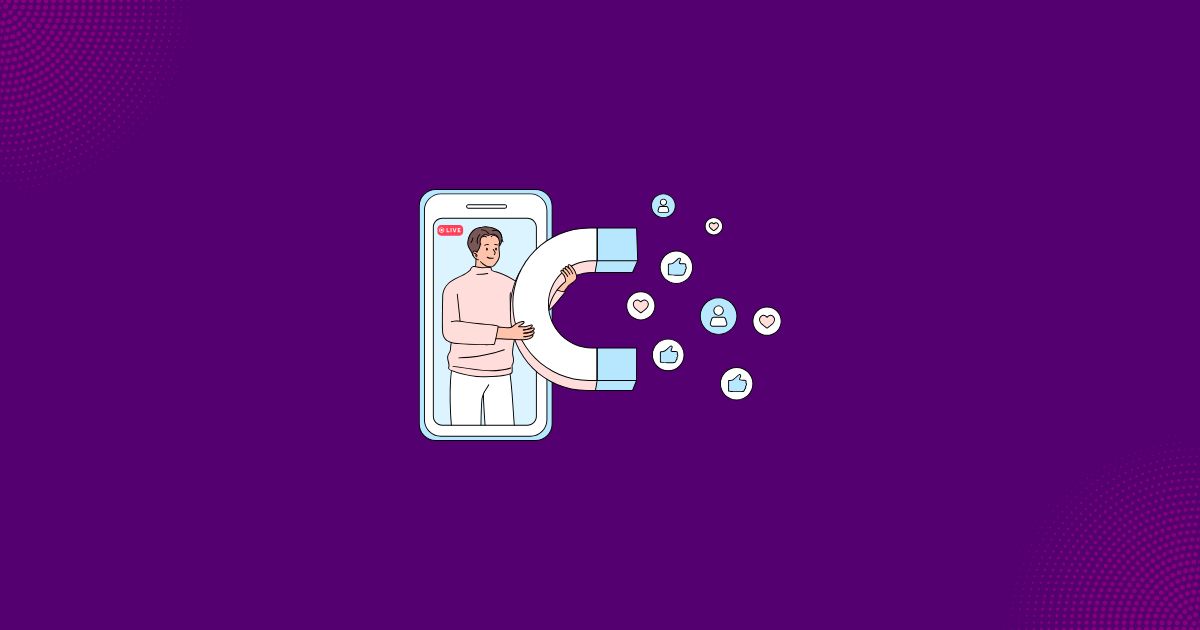
Two companies will collect roughly 89 cents of every new dollar spent on retail media advertising in 2026. Neither of them is you. And neither of them is going to hand a small Shopify store a fair shot at that money.
Retail media went from a boring industry word to the fastest-growing thing in digital ads. Amazon, Walmart, and a wave of other stores now sell ad space on their own sites and apps. They pay for it with the purchase data they already own. Every marketing newsletter is now yelling at you to "get into retail media." If you run a store on Meta and Google ads, that advice creates more panic than it does answers.
So this article does two things. First, it explains what retail media networks for small stores really means, and what the 2026 numbers actually say. No hype. Second, and this is the useful part, it shows you the one idea behind retail media that you can steal today. No seven-figure ad budget needed.
Let's start with what the trend even is. Because most of the advice around it is written for brands 100 times your size.
What Is a Retail Media Network (In Plain English)?
A retail media network is ad space a store sells on its own stuff. Its website. Its app. Its search results. And it powers those ads with the first-party shopping data it collects. When you search "coffee maker" on Amazon and see "Sponsored" products at the top, that is a retail media network at work.
Why do retailers love it so much? One word: closed-loop. They see the ad, the click, and the purchase in one system. No guessing about what worked. They know.
Why do brands throw money at it? Because it reaches shoppers at the exact second they want to buy, on a page where the only thing to do is buy. That is the highest-intent moment there is. The point that matters for you: retail media sells other brands access to a store's audience. The store makes money off attention and data it already owned.
The quiet genius of retail media is not the ad format. It is ownership. Retailers figured out that their own traffic plus their own purchase data is a higher-margin product than most of what sits on their shelves.
The 2026 Reality: Huge Growth, Extreme Concentration
Here are the real retail media networks 2026 numbers, without the cheerleading. U.S. retail media ad spend is set to hit somewhere around $62 to $69 billion in 2026. That is roughly 18% of all digital ad spend, and it keeps climbing. Globally, retail media passed $145 billion in 2025 and is still growing double digits.
Now the catch. Amazon and Walmart are forecast to soak up more than 89% of the new dollars in 2026. Amazon's retail media revenue alone could top $75 billion by 2028. Almost every other network the analysts track is expected to stay flat or lose ground through 2027. Even big advertisers are frustrated: 78% of brands say measurement across networks is the thing most in need of a fix.
| Metric | 2025 | 2026 (projected) |
|---|---|---|
| U.S. retail media ad spend | ~$59B | ~$62-69B |
| Share of U.S. digital ad spend | ~16-17% | ~18% |
| Share of new dollars to Amazon + Walmart | - | 89%+ |
Read this number carefully: "Retail media is booming" and "retail media is a real channel for my store" are two completely different sentences. The growth is real. The access, for a small store, mostly is not.
What the Retail Media Boom Means for Your Store
Here is the part that hits your bank account. As big brands pour budget into high-intent retail media, the open web and social platforms fight harder over the attention that is left. That fight pushes your ad costs up. Average ecommerce customer acquisition cost rose roughly 40 to 60% between 2023 and 2025. It now lands around $68 to $84 to get one new customer.
See the squeeze? You pay more to get the same customer, while the highest-intent ad space sits locked inside walled gardens you cannot really compete in. That is why retail media for small business is such a confusing topic. The channel everyone is hyping is the one you have the least access to.
And buying in directly? For most stores, it is a bad fit. Unless you sell on Amazon or Walmart Marketplace, buying Amazon Walmart retail media means paying to advertise on a competitor's shelf, on their terms, with minimum spends and tools built for giant CPG brands. The honest takeaway: for most small Shopify stores, the move is not to buy retail media. It is to stop leaking the advantage you already have.
Retail media makes it more expensive to get people to your store. So every visitor who already made it there is worth more than ever. Wasting those visitors is the real cost.
The One Retail Media Principle You Can Actually Copy
Strip retail media down to its engine and you find three parts: first-party behavior data, real-time intent signals, and a closed loop between what a shopper does and what they get shown. That is it. That is the whole machine.
Now here is the thing nobody tells small merchants. You already own all three ingredients. Every visitor on your store creates first-party behavior. Pages viewed. Time on page. Items added to cart. Signs they are about to leave. Most stores collect none of it, and act on even less. That is the whole opportunity, sitting there unused.
The mistake small stores make is copying the wrong half of retail media. They try to copy the "buy ads" half, which they cannot afford. They ignore the "use your own data" half, which is free and sitting in front of them. Applied to your own store, the idea becomes simple: spot intent in real time, then treat different visitors differently. A dedicated buyer and a walk-away customer should not see the same thing.
This is also exactly where blanket discounts fall apart. A storewide code is the opposite of retail media logic. It ignores behavior completely and hands margin to everyone, including the buyers who were already going to check out at full price. Using first-party data ecommerce the smart way means the discount goes only to the person who needs it.
| Retail Media (Amazon/Walmart) | Your Small Shopify Store | |
|---|---|---|
| Asset | First-party purchase data | First-party on-site behavior |
| Signal | Search + purchase intent | Browsing, cart, dwell-time intent |
| Action | Targeted sponsored placement | Personalized on-site offer |
| Loop | Closed (ad to sale in one system) | Closed (behavior to offer to sale) |
Key insight: You cannot build a $75 billion ad network. But you can build a closed loop on your own storefront. And the closed loop is the part that actually made retail media profitable in the first place.
4 Practical Moves While the Giants Fight Over Retail Media
You do not need a Walmart Connect account. You need to use what you already have. Here are four moves any store can make in 2026, in order.
- Treat your first-party data as an asset, not exhaust. Start tracking what visitors actually do. What they view. Where they stall. What they abandon. You cannot personalize what you never measured.
- Segment intent before you segment audience. The important split is not age or location. It is dedicated buyer versus walk-away customer. One needs no incentive. The other needs a reason to act now.
- Save incentives for the visitors who actually need them. Instead of a storewide code that bleeds margin, show a personalized, time-limited offer only to visitors showing signs they will leave without buying.
- Close the loop on your own site. Keep the signal (behavior), the response (offer), and the outcome (sale) in one system. Then you can see what actually works. That is the same closed loop that makes retail media measurable.
This is basically the retail media playbook shrunk down to fit a single store. And it is exactly what Growth Suite does. It tracks visitor behavior in real time, separates dedicated buyers from walk-away customers, and only shows a personalized, time-limited offer to the visitors who are likely to leave without buying. Dedicated buyers check out at full price. Each visitor sees one real offer. And when the timer ends, the unique code is deleted server-side, so the urgency is genuine and your margins stay protected. This is on-site retargeting Shopify merchants can run without giving away margin to people who were always going to buy.
The goal is not to discount more. It is to send the right message to the right visitor, and leave everyone else alone.
When Buying Retail Media Is Worth It (The Honest Exception)
To be fair, retail media is not always the wrong call. There are cases where buying in makes real sense.
- You already sell on Amazon or Walmart Marketplace and want to defend or grow your shelf position.
- You sell products with clear, high-volume search demand where the intent is obvious and explicit.
- You have the budget and catalog to meet the minimum spends without it hurting.
Where it rarely makes sense: as a first channel for a brand-driven DTC store still finding its footing. There, storytelling and your own experience do the heavy lifting. The rule of thumb is simple. Retail media rewards demand capture, not demand creation. If you are still building demand, your budget works harder on your own site and on channels you control.
Ask one question before spending a dollar on retail media: Am I capturing demand that already exists, or trying to create it? Retail media is great at the first and expensive at the second.
You Do Not Need a Retail Media Network
So here is where the trend leaves you. Retail media is the fastest-growing ad category in 2026, but Amazon and Walmart control almost all of the growth. For most small stores, the trend matters less as a place to buy ads, and more as a signal about where ad value now lives: in owned, first-party, closed-loop systems.
Rising acquisition costs make every visitor who reaches your store more valuable, and wasting them more expensive. You cannot out-spend the giants. But you can copy the exact principle that made them rich: use your own behavioral data to treat different visitors differently.
You do not need a retail media network. You need to stop treating every visitor the same. Start by watching how people actually behave on your store this week. Then decide who genuinely needs a nudge, and who was always going to buy.
Growth Suite brings that retail-media-style behavioral targeting to your own storefront. It spots walk-away customers, shows them one genuine time-limited offer, and lets dedicated buyers check out at full price. It is free to install on the Shopify App Store, with a 14-day trial.
Frequently Asked Questions
What is a retail media network?
A retail media network is ad space a retailer sells on its own digital properties, such as product pages, on-site search, and apps, powered by the first-party shopping data it collects. Amazon Sponsored Products and Walmart Connect are the best-known examples. The retailer makes money off attention and data it already owns.
Can a small business advertise on retail media networks?
Technically yes, but it is often impractical. Most platforms are built around minimum spends, complex campaign management, and CPG-style catalogs. Unless you already sell on that retailer's marketplace, you are buying ads on a competitor's site with tools designed for much larger brands. That is why retail media for small business is usually harder than the headlines make it sound.
Are retail media networks worth it for small Shopify stores?
For most small Shopify stores, no, not as a primary channel. Retail media is strongest at capturing existing demand for high-volume products. A brand-driven store usually gets more from investing in owned channels and on-site conversion, where it controls the experience and keeps the first-party data. That is the real value of retail media networks for small stores: the lesson, not the ad buy.
How is retail media different from Meta or Google ads?
Meta and Google reach people across the web based on interests and behavior. Retail media reaches shoppers inside a store, at the moment of purchase intent, using that retailer's own purchase data, with a closed loop between ad and sale. The intent is higher, but so is the concentration. A few giants dominate almost all of the inventory.
Can a small Shopify store build its own retail media network?
Not in the Amazon sense, but it can copy the principle. The value of retail media comes from owning first-party behavior and acting on it in real time. A small store can do exactly that on its own site: track visitor behavior, identify intent, and personalize offers instead of showing everyone the same generic promotion. Tools like Growth Suite handle this closed loop for you.
References
- EMARKETER - Retail Media Ad Spending Forecast (2026)
- EMARKETER - Retail Media Networks: How Marketers Should Allocate Budgets in 2026
- Adtelligent - Retail Media Market Outlook 2026
- Statista - U.S. Digital Retail Media Ad Spend 2026
- L.E.K. Consulting - Fighting Rising Direct-to-Consumer Customer Acquisition Costs
Ready to Implement These Strategies?
Start applying these insights to your Shopify store with Growth Suite. It takes less than 60 seconds to launch your first campaign.
Muhammed Tüfekyapan
Founder of Growth Suite
Muhammed Tüfekyapan is a growth marketing expert and the founder of Growth Suite, an AI-powered Shopify app trusted by over 300 stores across 40+ countries. With a career in data-driven e-commerce optimization that began in 2012, he has established himself as a leading authority in the field.
In 2015, Muhammed authored the influential book, "Introduction to Growth Hacking," distilling his early insights into actionable strategies for business growth. His hands-on experience includes consulting for over 100 companies across more than 10 sectors, where he consistently helped brands achieve significant improvements in conversion rates and revenue. This deep understanding of the challenges facing Shopify merchants inspired him to found Growth Suite, a solution dedicated to converting hesitant browsers into buyers through personalized, smart offers. Muhammed's work is driven by a passion for empowering entrepreneurs with the data and tools needed to thrive in the competitive world of e-commerce.
More Insights from Our Blog
Continue reading for more expert tips and strategies to grow your Shopify store
10 Shopify Apps to Help You Sell More and Save Time in Q4 2026
10 Shopify Apps to Help You Sell More and Save Time in Q4 2026

60 Days Until Black Friday: What to Lock In This Week and What Can Still Wait
Black Friday is 60 days out. Some decisions get more expensive every week they stay open, and some get smarter. Here is how to tell which is which.
5 Numbers From Your Q3 Data That Should Decide Your Black Friday Offers
Your Black Friday offer is five settings, and Q3 already contains all of them. Read the five numbers that set depth, scope, mechanic, window, and audience.
Explore more
Resources
Shopify Upselling & Cross-Selling
Most Shopify stores leave 10-30% of revenue on the table because they do not upsell or cross-sell effectively. This...
Shopify Conversion Rate: The Complete Resource Hub
Your conversion rate is the most important number in your Shopify store. Learn how to measure it, diagnose problems,...
Shopify Holiday & Seasonal Campaign Strategies
Every holiday has its own shopping psychology. Plan year-round campaigns with the right discount, right timing, and...

Shopify Countdown Timer
Adding a timer takes 5 minutes. Making it convert without destroying trust? That's strategy. The complete guide to...

Shopify Cart Abandonment
70% of Shopify carts are abandoned. Learn why customers leave, how to prevent abandonment in real-time, and recover...
Shopify Discount
Master Shopify discounts without sacrificing your profit margins. Learn strategic discount techniques, timing...