The Evolution of Buy Now, Pay Later: What Merchants Need to Know in 2026
 By Muhammed Tüfekyapan
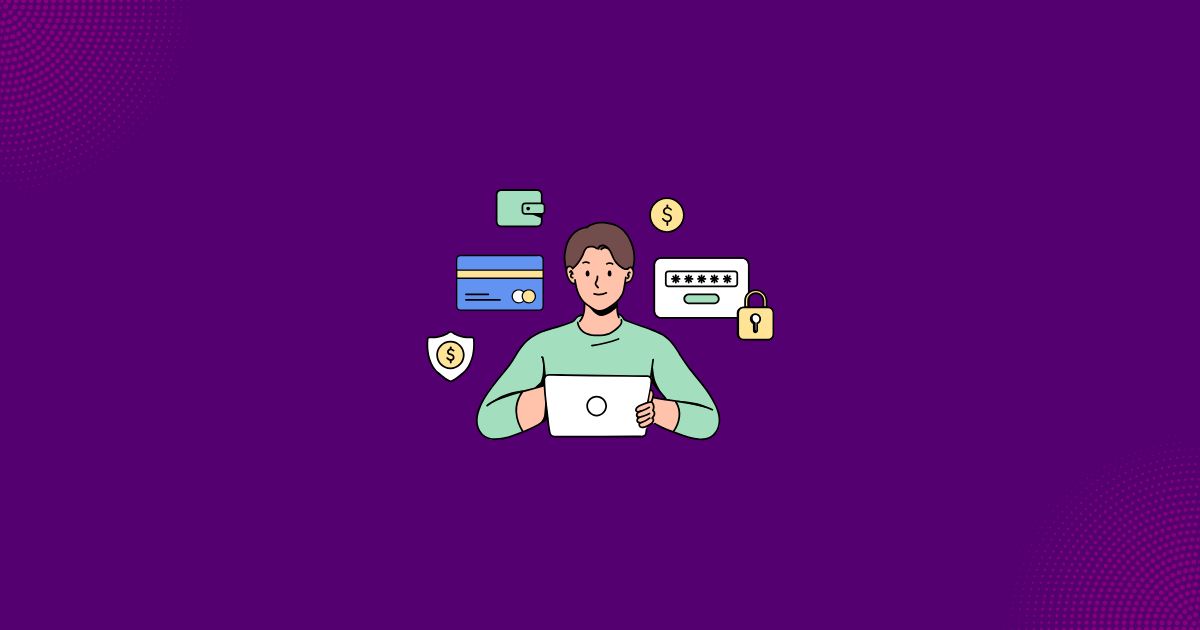
In 2020, buy now pay later was a novelty that few merchants took seriously. By 2024, it was everywhere - embedded in checkout flows, plastered on product pages, and promoted as a conversion silver bullet. Now, in 2026, buy now pay later faces something unexpected: an identity crisis.
The promise was straightforward. Give customers flexible payment options, and they will spend more and convert faster. For many merchants, that promise held up - at least on the surface. But underneath the top-line numbers, a more complicated story has been unfolding. Global BNPL transaction volume surpassed $576 billion in 2025, according to Juniper Research, yet regulatory scrutiny and consumer backlash are accelerating at the same pace.
Merchants find themselves caught between two forces: customers who now expect installment options at checkout and rising fees that quietly eat into margins. The BNPL evolution of 2026 looks fundamentally different from the landscape merchants originally signed up for.
This article breaks down what has actually changed, where the real costs and benefits stand today, and how you can decide whether buy now pay later still deserves a place in your checkout flow.
The BNPL Landscape Has Shifted - Here Is What Changed
By 2026, buy now pay later has matured from a disruptive fintech experiment into a regulated, mainstream payment method. New compliance requirements, shifting provider business models, and growing consumer scrutiny have reshaped the market. For merchants, BNPL is no longer a competitive differentiator - it is becoming table stakes.
The numbers tell the story of rapid adoption. Global BNPL users are projected to exceed 900 million by 2027, according to Statista. In the United States alone, transaction volume has crossed $150 billion. According to Bankrate's 2025 survey, 45% of Gen Z and 37% of Millennials have used a BNPL service in the past twelve months. US ecommerce BNPL penetration rose from roughly 4% in 2021 to an estimated 12-14% by 2026.
The major players have evolved too. Klarna's IPO journey signaled a shift toward profitability over growth at all costs. Affirm expanded into broader financial services. Apple Pay Later reshaped the competitive field. The key structural change: BNPL providers are moving from pure merchant-fee models toward hybrid models that include consumer interest charges on longer terms. For Shopify merchants, the practical impact is clear - BNPL is no longer optional for mid-to-large stores, but the costs of offering it have changed significantly.
New BNPL Regulations Every Merchant Should Understand
The era of unregulated installment payments ecommerce is ending. Governments across four major markets have introduced oversight frameworks that directly affect how BNPL works at checkout.
In the US, the CFPB's interpretive rule (finalized 2024) classifies BNPL providers as credit card lenders, bringing new disclosure requirements and consumer protections. The EU's Consumer Credit Directive now requires full affordability checks. Australia mandates credit licenses for BNPL providers. The UK's FCA has brought buy now pay later under formal consumer credit regulation.
| Region | Regulatory Body | Core Requirement |
|---|---|---|
| United States | CFPB | BNPL classified as credit card lending; full disclosure rules |
| European Union | Consumer Credit Directive | Mandatory affordability checks for all BNPL transactions |
| United Kingdom | FCA | BNPL under formal consumer credit oversight |
| Australia | ASIC | Credit licensing required for BNPL providers |
For merchants, the downstream effects are real. Expect potential friction at checkout as providers add mandatory disclosures and affordability checks. You may also face new obligations around clearly presenting the total cost of installment payments on product and checkout pages. These BNPL regulations 2026 are not theoretical - they are already reshaping the checkout experience.
Does BNPL Actually Increase Sales? The Numbers Behind the Hype
The headline statistics are impressive. Studies from RBC Capital Markets and Afterpay data show BNPL increases average order values by 20-50%. Klarna's merchant data indicates BNPL conversion rates can lift by 20-30% for items in the $100 to $500 range. But here is the nuance most articles skip: these gains vary dramatically by product type, price point, and customer demographic.
Where BNPL works best:
- Fashion and apparel in the $75 to $300 range
- Electronics and home goods from $200 to $800
- Beauty and wellness subscription bundles over $100
Where BNPL underperforms:
- Low-ticket items under $50 - added complexity without meaningful conversion lift
- Luxury goods over $1,000 - customers in this segment often prefer traditional credit
- Consumables and replenishment products - low AOV and high purchase frequency
| Price Range | Typical AOV Lift | Conversion Impact | BNPL Fit |
|---|---|---|---|
| Under $50 | Minimal | Low | Weak |
| $50 - $150 | 15-25% | Moderate | Good for fashion/beauty |
| $150 - $500 | 25-40% | Strong | Best fit |
| $500 - $1,000 | 30-50% | Moderate-Strong | Good for electronics |
| Over $1,000 | Variable | Low-Moderate | Traditional credit often preferred |
The takeaway is straightforward: BNPL conversion rates are real, but they are not universal. Before celebrating an AOV increase, you need to understand whether it applies to your specific category and price point.
BNPL Fees vs. Increased Revenue - A Merchant's Honest Math
Typical buy now pay later fees for merchants range from 2% to 8% per transaction, depending on the provider, your volume, and the payment terms. Compare that to standard credit card processing fees of 2.5% to 3.5%. The spread matters more than most merchants realize.
Here is a worked example for a $150 average order:
- Without BNPL: $150 order, roughly 3% processing fee = $145.50 net
- With BNPL: $195 order (30% AOV lift), roughly 6% total processing = $183.30 net
- Net gain: $37.80 per BNPL transaction - but only if the customer would not have purchased otherwise
That last condition is the critical question merchants forget to ask: how many of these BNPL customers would have bought anyway using a credit card? This is the cannibalization problem. Some percentage of BNPL transactions simply shift existing sales to a higher-fee payment method, and you pay more in BNPL merchant costs without gaining incremental revenue.
The BNPL Break-Even Test: If your BNPL fee premium over card processing is X%, you need at least X% in truly incremental revenue - from customers who would not have bought otherwise - to break even.
The Growing Backlash Against Buy Now, Pay Later
Buy now pay later solved a real problem: making purchases more accessible without traditional credit card applications. But the industry's aggressive expansion has created new problems that merchants cannot afford to ignore.
The consumer debt picture is concerning. According to a LendingTree 2024 survey, 43% of BNPL users have made at least one late payment. The average BNPL user carries three to four active installment plans simultaneously. "BNPL fatigue" is emerging as consumers overwhelmed by multiple payment plans lose track of their obligations.
Then there is the return rate problem. Appriss Retail data indicates BNPL purchases see 15-20% higher return rates than standard purchases. The lower commitment barrier that drives conversion also makes it easier for customers to buy impulsively and return later. There is a reputational dimension too: younger consumers who grew up with BNPL are starting to view it more critically as financial literacy improves, and merchants associated heavily with installment payments may face perception challenges.
If a customer can only afford your product by splitting it into four payments, the question worth asking is whether they are your ideal customer - or whether you are building revenue on fragile demand.
To be clear: responsible BNPL use benefits both consumers and merchants. The concern is not with installment payments as a concept. It is with the over-reliance on them as a growth lever.
Should You Offer BNPL? A Decision Framework for 2026
Not every store needs BNPL - and that is fine. The decision should be based on five concrete factors, not industry pressure or competitor behavior.
- Average order value - the strongest case is above $100
- Product category and purchase urgency - aspirational products benefit most
- Customer demographic and payment preferences - Gen Z and Millennial-heavy audiences are more receptive
- Your current margin structure - can you absorb 2-8% in additional fees?
- Return rate patterns - factor in the 15-20% higher return rate for BNPL transactions
Strong Case for BNPL
AOV above $100, fashion or electronics or home goods categories, younger demographic skew, healthy margins above 40%.
Weak Case for BNPL
AOV under $50, consumables or replenishment products, already thin margins, high existing return rates.
Test Before Committing
Run BNPL as a 90-day pilot. Measure incremental revenue - not just total BNPL volume - and calculate true ROI after accounting for fees and returns. The distinction between incremental and cannibalized revenue is where most merchants get the math wrong.
Before adding another payment option to increase conversion, it is also worth considering whether the real issue is payment flexibility or purchase motivation. Many window shoppers do not abandon checkout because they cannot afford the product. They leave because they have not found a compelling enough reason to buy right now. Understanding visitor behavior and presenting the right incentive at the right moment can address this gap without the ongoing fee burden of BNPL. Tools like Growth Suite focus on exactly this approach - identifying walk-away customers in real time and showing personalized, time-limited offers only to visitors who need a nudge to convert.
The Bottom Line
Buy now pay later has matured from a disruptive novelty into a regulated payment method with real costs. The AOV and conversion benefits are genuine but vary by product, price point, and customer segment. New regulations add compliance friction. The BNPL merchant costs equation requires honest math - not every transaction represents incremental revenue. Consumer debt concerns and rising return rates deserve attention, not dismissal.
BNPL is not a growth strategy. It is a payment method. Treat it like one - evaluate it on its actual financial impact, not on the promise of higher top-line numbers. The merchants who thrive in 2026 will be the ones who understand the difference.
Run the break-even calculation for your own store before renewing or adding a BNPL provider. Measure what matters: incremental revenue, not total BNPL volume.
For Shopify merchants focused on converting walk-away customers without adding permanent fee structures, Growth Suite offers an alternative approach - personalized, time-limited offers shown only to visitors who need a nudge, with no ongoing per-transaction costs beyond the discount itself.
Frequently Asked Questions
Is buy now pay later still worth offering for Shopify merchants in 2026?
It depends on your product category, average order value, and margin structure. BNPL shows the strongest results for merchants with AOV above $100 in categories like fashion, electronics, and home goods. For stores with low-ticket items or thin margins, the 2-8% merchant fees may outweigh the conversion benefits. Run a 90-day pilot and measure incremental revenue, not just total BNPL transaction volume.
What are the new BNPL regulations merchants should know about?
The most significant change is the CFPB's classification of BNPL providers as credit card lenders in the US, which introduces new disclosure requirements. The EU, UK, and Australia have also implemented stricter oversight. For merchants, this means potential new compliance obligations, additional checkout disclosures, and possible friction as providers add mandatory affordability checks.
What products and price points benefit most from BNPL?
The sweet spot for BNPL is products priced between $100 and $500, particularly in fashion, electronics, beauty bundles, and home goods. Below $50, the complexity of installment payments adds friction without meaningful conversion lift. Above $1,000, customers often prefer traditional financing. The strongest results come from categories where the purchase is aspirational but the full price creates a moment of pause.
Do BNPL purchases lead to more returns?
Research indicates BNPL purchases see 15-20% higher return rates compared to standard payment methods. The lower commitment barrier that makes BNPL effective at driving conversion also makes it easier for customers to buy impulsively and return later. Merchants should factor return rates into their BNPL cost-benefit analysis rather than evaluating conversion lift in isolation.
References
- Juniper Research - Global BNPL Transaction Volumes 2025
- Statista - Buy Now Pay Later Users Worldwide Projection
- Bankrate - 2025 Buy Now Pay Later Survey
- RBC Capital Markets - BNPL Impact on Average Order Value
- Klarna - Merchant Conversion Data Reports
- LendingTree - 2024 Buy Now Pay Later Consumer Survey
- Appriss Retail - BNPL Return Rate Analysis
- CFPB - Interpretive Rule on Buy Now Pay Later (2024)
- European Commission - Consumer Credit Directive Update
- UK Financial Conduct Authority - BNPL Regulatory Framework
- Australian Securities and Investments Commission - BNPL Credit Licensing
- Afterpay / Block - Merchant Performance Benchmarks
- Affirm - Annual Merchant Impact Report
Ready to Implement These Strategies?
Start applying these insights to your Shopify store with Growth Suite. It takes less than 60 seconds to launch your first campaign.
Muhammed Tüfekyapan
Founder of Growth Suite
Muhammed Tüfekyapan is a growth marketing expert and the founder of Growth Suite, an AI-powered Shopify app trusted by over 300 stores across 40+ countries. With a career in data-driven e-commerce optimization that began in 2012, he has established himself as a leading authority in the field.
In 2015, Muhammed authored the influential book, "Introduction to Growth Hacking," distilling his early insights into actionable strategies for business growth. His hands-on experience includes consulting for over 100 companies across more than 10 sectors, where he consistently helped brands achieve significant improvements in conversion rates and revenue. This deep understanding of the challenges facing Shopify merchants inspired him to found Growth Suite, a solution dedicated to converting hesitant browsers into buyers through personalized, smart offers. Muhammed's work is driven by a passion for empowering entrepreneurs with the data and tools needed to thrive in the competitive world of e-commerce.
More Insights from Our Blog
Continue reading for more expert tips and strategies to grow your Shopify store
Grandparents Day Is Today: Turn One Thoughtful Gift Into a Holiday-Season Customer
Grandparents Day won't move September revenue, but it is the cheapest place to acquire a December gift customer. The gifter mechanism most stores waste.

Test Your Offers in September, or Guess Your Way Through November
An offer test is only as good as the traffic it runs on and the days left to act on it. Why November tests return guesses, and what September still buys.

Rosh Hashanah Starts Tonight: Acknowledging Your Customers' Holidays Without a Discount Code
A Rosh Hashanah greeting with a code attached is a campaign, not an acknowledgment. The message, the send window, and what to give instead of a percentage.
Explore more
Resources
Shopify Upselling & Cross-Selling
Most Shopify stores leave 10-30% of revenue on the table because they do not upsell or cross-sell effectively. This...
Shopify Conversion Rate: The Complete Resource Hub
Your conversion rate is the most important number in your Shopify store. Learn how to measure it, diagnose problems,...

Shopify Holiday & Seasonal Campaign Strategies
Every holiday has its own shopping psychology. Plan year-round campaigns with the right discount, right timing, and...

Shopify Countdown Timer
Adding a timer takes 5 minutes. Making it convert without destroying trust? That's strategy. The complete guide to...

Shopify Cart Abandonment
70% of Shopify carts are abandoned. Learn why customers leave, how to prevent abandonment in real-time, and recover...
Shopify Discount
Master Shopify discounts without sacrificing your profit margins. Learn strategic discount techniques, timing...