Spring Collection Launches: Getting the Timing, Pricing, and Promotion Right
 By Muhammed Tüfekyapan
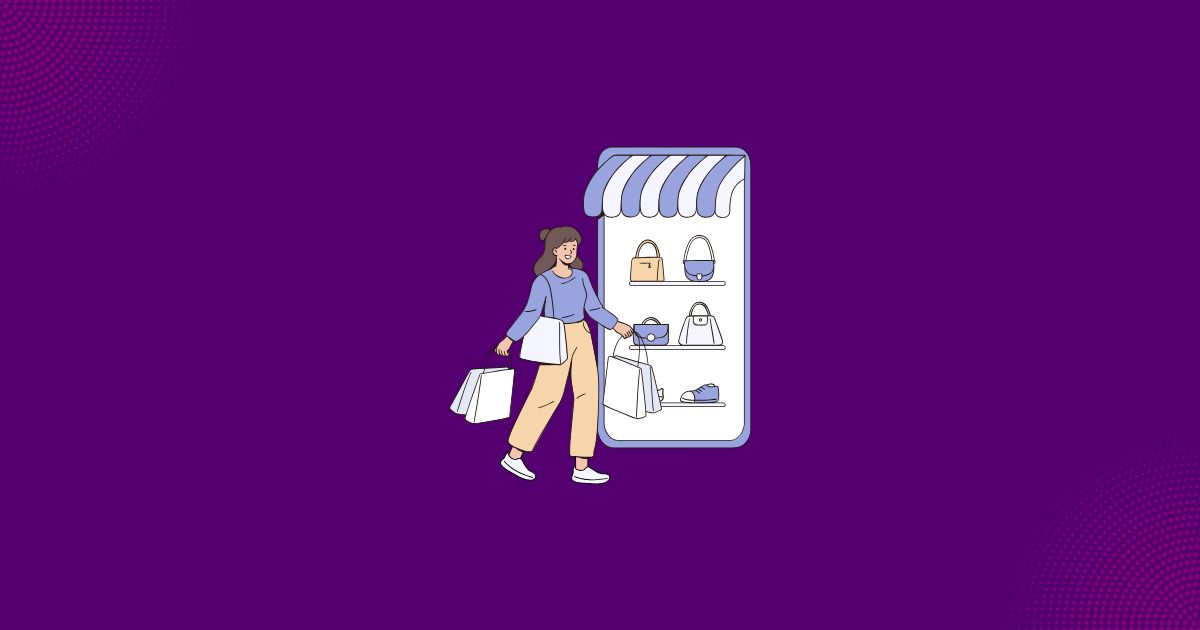
Most spring launches fail before the first product goes live. Not because the collection is wrong, but because the timing, pricing, or promotion strategy is off.
A strong spring collection launch strategy sets the revenue tone for Q2. A weak one leaves merchants discounting new stock within weeks, compressing margins and training customers to wait for the next sale. Spring is the second-largest seasonal buying window after Q4, yet many Shopify merchants treat it as an afterthought.
The common mistakes are predictable: launching too late, discounting new arrivals on day one, and failing to build pre-launch anticipation. The result is spring stock that ends up in summer clearance at half the intended price.
This article breaks down a practical framework for getting your spring collection launch strategy right - from choosing the optimal window to pricing with confidence and promoting without giving away margin on day one.
Why Your Spring Launch Needs More Than a "New Arrivals" Banner
Spring collections represent a psychological reset for consumers. New season, new spending energy. Q2 consumer spending typically rises as tax refunds circulate and warmer weather drives lifestyle purchases. For merchants with a solid spring collection launch strategy, this window is prime for full-price revenue.
But the window is short. Merchants who launch too late find themselves competing with early-summer promotions from larger retailers who have already captured the seasonal attention. Unlike holiday campaigns where discounts are expected, spring arrivals carry natural full-price momentum. Customers are shopping for freshness, not deals.
Many merchants waste this full-price window by defaulting to launch-day discounts out of habit. Seasonal retail data shows that spring fashion launches maintaining full price for the first 3-4 weeks see 15-22% higher average margins compared to those that discount within the first week.
Spring vs. Holiday Shopping Psychology: Holiday shoppers expect deals and hunt for codes. Spring shoppers are buying for newness, identity refresh, and seasonal need. Different intent requires a different strategy.
When to Launch: The Timing Window Most Merchants Get Wrong
The ideal spring product launch timing for most Shopify stores falls between late February and mid-March for fashion, and March through early April for home and lifestyle brands. The best time to launch a spring collection online is 3-4 weeks before peak seasonal demand in your core market, accounting for weather patterns and competitor timing. Launching earlier captures the "seasonal anticipation" wave before larger retailers flood the space.
Three timing factors separate successful launches from forgettable ones:
- Weather patterns in your core market: Shipping spring dresses while customers are still shoveling snow kills conversion. Align your launch window with when your target market actually starts thinking about warm-weather products.
- Competitor calendar: Check when major retailers and direct competitors drop their spring lines. Launching 1-2 weeks before or after avoids getting buried in the noise.
- Your own inventory cycle: Spring product launch timing should align with when winter stock hits natural decline, not when it is already stale and dragging down your store's overall presentation.
The Phased Launch Approach
Rather than betting everything on a single launch day, a phased approach builds momentum and extends your visibility window:
- Week 1: Soft launch to email subscribers and loyalty members. Early access creates exclusivity and rewards your best customers.
- Week 2: Full public launch with social media and paid advertising push.
- Weeks 3-4: Sustained visibility through content, styling guides, and customer features.
This staggered approach builds momentum rather than burning through attention in a single day. It also gives you real sell-through data from the VIP phase that can inform your broader campaign messaging.
How to Price Spring Arrivals So You Never Need a Launch-Day Discount
The cardinal rule of any smart new arrival pricing strategy: never discount what is new. Customers associate "new" with full value. Discounting at launch signals the opposite - that you are not confident in the product or that it was overpriced from the start.
Perceived value pricing means positioning spring items at their intended price point from day one and using presentation to justify it. High-quality photography, product page storytelling, and styling context do more for conversion than a 10% off banner ever will.
There is also the "anchor and contrast" approach: display spring items alongside marked-down winter clearance. The winter discount makes the spring full-price feel reasonable by comparison, without touching your new arrivals' margins at all.
When a Launch Incentive Makes Sense (Without Cutting Price)
Non-discount incentives add perceived value without training customers to wait for a price drop:
- Free shipping thresholds tied to spring products
- Gift-with-purchase for early buyers (a small spring-themed add-on)
- Early-access windows for email subscribers
- Exclusive colorway or variant access for the first week
A practical new arrival pricing strategy framework looks like this:
- Set spring prices based on margin targets, not competitor matching
- Use "Compare at" pricing only for items genuinely transitioning from a higher introductory point
- Bundle new spring items with accessories to raise AOV instead of offering per-item discounts
- Reserve any promotional pricing for 4-6 weeks after launch, and only if sell-through data demands it
Moving Winter Inventory Without Destroying Your Price Floor
The biggest spring launch mistake has nothing to do with spring products. It is slashing winter prices so deeply that customers associate your brand with clearance. A thoughtful seasonal transition inventory plan protects both your brand perception and your margins during the changeover.
A graduated markdown strategy works best. Start with 20% off, then move to 30% only on slow movers after 2-3 weeks. Reserve deeper cuts for truly dead stock. Retail data shows that graduated markdown strategies retain 8-12% more margin than single deep-cut clearance events.
Segment your winter stock into three categories before marking anything down:
- Core basics (year-round items): No markdown needed. Simply reduce their visibility and shift homepage placement to spring products.
- Seasonal-specific items: Graduated markdowns on a clear timeline.
- Dead stock: Bundle with spring products, donate for a write-off, or use as gift-with-purchase on spring orders.
The Timing Bridge
Start winter clearance 2-3 weeks before your spring launch so the two do not compete for attention. By the time the spring collection goes live, winter markdowns should be in their final phase, not their opening act. This separation keeps the "newness" narrative of spring intact and prevents your seasonal transition inventory process from overshadowing the excitement of fresh arrivals.
Winter-to-Spring Transition Calendar: Weeks 1-2 (initial winter markdowns) > Week 3 (soft spring launch to VIPs) > Week 4 (full spring launch, final winter clearance). Keep these phases distinct, not overlapping.
Your Spring Launch Is Not a Sale Event - Stop Treating It Like One
Here is a position worth stating clearly: merchants who run discount-heavy spring launches are borrowing against future margin. The excitement of a new collection launch promotion IS the promotion. Discounting a brand-new product tells the customer it was overpriced to begin with.
Walk-away customers who need a nudge to convert on new arrivals are rare. Spring launches attract people who are actively looking for new products. The real conversion problem at launch is not price resistance - it is awareness. Most spring launches fail because not enough people know about them, not because the price is too high.
Discount codes on launch day attract deal-seekers who will never pay full price. They are not your target customer for new arrivals. The brands that build lasting spring momentum invest in storytelling, not price cuts: behind-the-scenes content, designer notes, material sourcing stories.
If you need a 15% off code to sell a product that arrived in your store yesterday, the problem is not your price - it is your positioning.
That said, there is a legitimate exception. The visitor who keeps coming back to a spring product page but never adds to cart - that is a window shopper who may need a personalized nudge. The key is distinguishing them from dedicated buyers who are simply taking their time. Tools that track visitor behavior and predict purchase intent let you reserve offers for the browsers who genuinely need convincing, not the buyers who were already sold. Growth Suite takes this approach: it identifies window shoppers versus dedicated buyers in real time and personalizes whether to show an offer at all, protecting your new-arrival margins on every visit.
The 3-Week Pre-Launch Playbook: Email, Social, and On-Site Tactics
A successful spring marketing campaign does not start on launch day. It starts three weeks before. Here is a structured playbook for building anticipation that converts into first-week revenue.
Week 3 Before Launch - Seed the Story
- Tease the collection on social media with behind-the-scenes content: fabric sourcing, design sketches, production shots
- Send an "insider preview" email to your best customers: "Spring is coming. You will see it first."
- Add a subtle on-site banner: "New collection dropping [date]"
Week 2 Before Launch - Build the List
- Open an early-access signup to collect emails specifically for the spring launch notification
- Share 1-2 hero product previews on social with "available [date]" messaging
- Run a "vote on your favorite" poll to drive engagement and collect preference data
The pre-launch email signup is also a strategic data collection moment. When visitors express interest before a product is even available, that behavioral signal is valuable. Merchants using Growth Suite can later identify which of those signups convert on launch day versus which ones browse without buying - and tailor follow-up approaches accordingly.
Week 1 Before Launch - Create Commitment
- Send a "mark your calendar" email with the exact launch date and time
- Offer a small, non-discount incentive for early buyers: free shipping, gift wrapping, or exclusive colorway access
- Use countdown messaging on social: "3 days until spring drops"
Launch Day Itself
When launch day arrives, execute with precision:
- Go live at a consistent, pre-announced time
- Send the launch email immediately
- Run a coordinated social push within the first 2 hours
- Focus all messaging on newness, not savings: "It is here" is stronger than "It is here and it is 10% off"
Email-driven early access consistently generates higher conversion rates than social-only spring marketing campaign efforts. The three-week buildup ensures that launch day is a peak, not a starting point.
The Bottom Line
A winning spring collection launch strategy comes down to five principles:
- Launch 3-4 weeks before peak seasonal demand in your market, not after competitors have already captured attention.
- Price new arrivals with confidence. The collection is new, and new does not need a discount.
- Transition winter stock on a separate timeline so clearance energy does not bleed into spring excitement.
- Build anticipation with a structured 3-week pre-launch sequence that earns attention before launch day.
- Treat your collection launch promotion as a storytelling event, not a sale event.
The strongest spring launches do not start with a promo code. They start with a product worth waiting for, a story worth following, and a launch worth showing up for.
Ask yourself: Is your spring collection positioned as something new and worth full price, or just another reason to send a discount email?
For Shopify merchants who want to protect new-arrival margins while still converting window shoppers who need a nudge, Growth Suite helps you target offers to the right visitors at the right time - without training your entire audience to wait for a code.
Frequently Asked Questions
When is the best time to launch a spring collection online?
For fashion and apparel, late February through mid-March works best. Home and lifestyle brands can push into early April. The key is launching 3-4 weeks before peak seasonal demand in your core market, while accounting for weather patterns and competitor timing. A phased approach - VIP early access followed by a full public launch - extends your visibility window and generates real sell-through data before the broader campaign begins.
Should you discount new arrivals at launch?
No. New arrivals carry natural full-price momentum because customers associate "new" with full value. Discounting at launch signals low confidence in the product and trains customers to wait for sales on future releases. Instead, use non-discount incentives like free shipping, early access for subscribers, or gift-with-purchase to add perceived value without eroding your baseline price.
How do you transition from winter to spring inventory without heavy markdowns?
Use a graduated approach: start winter clearance 2-3 weeks before your spring launch with modest 20% discounts, moving deeper only on slow-moving items. Segment your inventory into core basics (no markdown needed), seasonal-specific items (graduated markdowns), and dead stock (bundle or repurpose). Time your clearance so it wraps up as the spring collection goes live, keeping the two campaigns distinct.
How long should you maintain full price on spring products before considering markdowns?
Aim for at least 4-6 weeks at full price. Monitor sell-through data weekly. If a product is not moving after 4 weeks, investigate whether the issue is visibility (a marketing problem) or actual price resistance before defaulting to a discount. Often, refreshing product photography, adjusting placement on collection pages, or running targeted social content solves the problem without a price cut.
References
- National Retail Federation - Seasonal Consumer Spending Patterns
- Shopify Enterprise - Product Launch Strategies for DTC Brands
- Retail Dive - Spring 2026 Seasonal Retail Preview
- McKinsey & Company - The State of Fashion: Pricing and Markdown Analysis
- Klaviyo - Email Marketing Benchmarks for Product Launches
- Common Thread Collective - Ecommerce Launch Day Playbook
- RetailWire - Consumer Discount Expectations by Season
- Wiser Retail - Markdown Optimization and Margin Protection
- 2 Visions - Seasonal Pricing and Promotional Cadence Report
Ready to Implement These Strategies?
Start applying these insights to your Shopify store with Growth Suite. It takes less than 60 seconds to launch your first campaign.
Muhammed Tüfekyapan
Founder of Growth Suite
Muhammed Tüfekyapan is a growth marketing expert and the founder of Growth Suite, an AI-powered Shopify app trusted by over 300 stores across 40+ countries. With a career in data-driven e-commerce optimization that began in 2012, he has established himself as a leading authority in the field.
In 2015, Muhammed authored the influential book, "Introduction to Growth Hacking," distilling his early insights into actionable strategies for business growth. His hands-on experience includes consulting for over 100 companies across more than 10 sectors, where he consistently helped brands achieve significant improvements in conversion rates and revenue. This deep understanding of the challenges facing Shopify merchants inspired him to found Growth Suite, a solution dedicated to converting hesitant browsers into buyers through personalized, smart offers. Muhammed's work is driven by a passion for empowering entrepreneurs with the data and tools needed to thrive in the competitive world of e-commerce.
More Insights from Our Blog
Continue reading for more expert tips and strategies to grow your Shopify store
Grandparents Day Is Today: Turn One Thoughtful Gift Into a Holiday-Season Customer
Grandparents Day won't move September revenue, but it is the cheapest place to acquire a December gift customer. The gifter mechanism most stores waste.

Test Your Offers in September, or Guess Your Way Through November
An offer test is only as good as the traffic it runs on and the days left to act on it. Why November tests return guesses, and what September still buys.

Rosh Hashanah Starts Tonight: Acknowledging Your Customers' Holidays Without a Discount Code
A Rosh Hashanah greeting with a code attached is a campaign, not an acknowledgment. The message, the send window, and what to give instead of a percentage.
Explore more
Resources
Shopify Upselling & Cross-Selling
Most Shopify stores leave 10-30% of revenue on the table because they do not upsell or cross-sell effectively. This...
Shopify Conversion Rate: The Complete Resource Hub
Your conversion rate is the most important number in your Shopify store. Learn how to measure it, diagnose problems,...
Shopify Holiday & Seasonal Campaign Strategies
Every holiday has its own shopping psychology. Plan year-round campaigns with the right discount, right timing, and...

Shopify Countdown Timer
Adding a timer takes 5 minutes. Making it convert without destroying trust? That's strategy. The complete guide to...

Shopify Cart Abandonment
70% of Shopify carts are abandoned. Learn why customers leave, how to prevent abandonment in real-time, and recover...
Shopify Discount
Master Shopify discounts without sacrificing your profit margins. Learn strategic discount techniques, timing...