Offer Timing in Ecommerce: What Subscription Brands Know
 By Muhammed Tüfekyapan
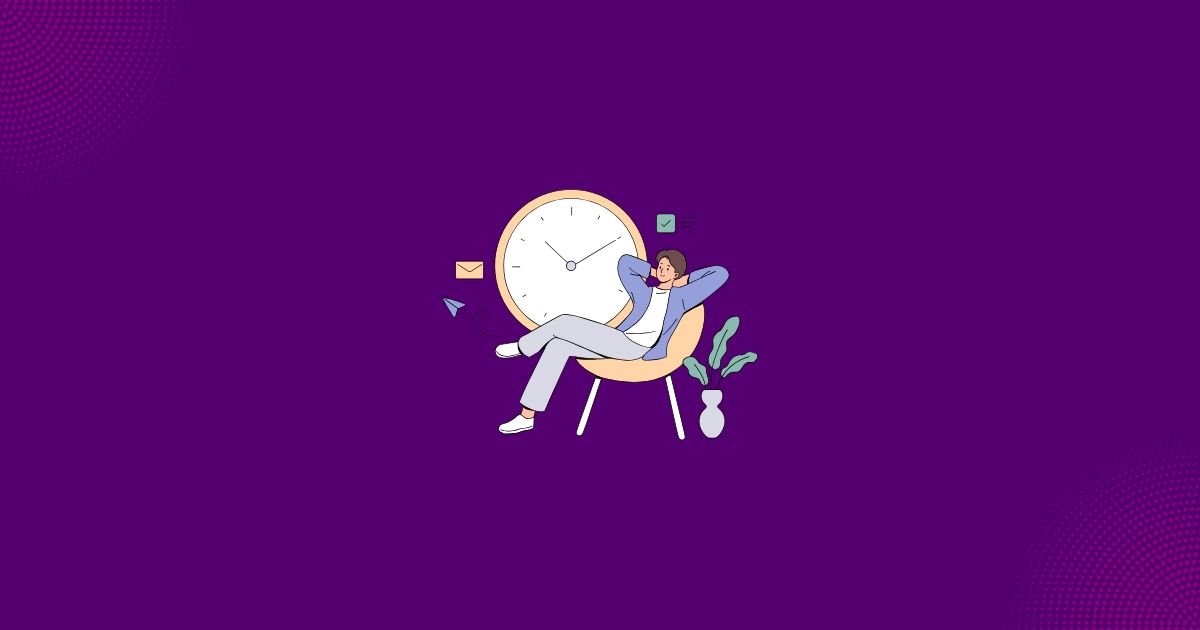
A subscription box brand knows exactly when it is about to lose you. Day 23 of a 30-day cycle. The second skipped delivery. The moment a card fails. They have a specific offer sitting ready for each of those moments, because their whole business is built on surviving them. Now look at how most one-time stores handle timing: a sitewide code, emailed to the entire list, on a Tuesday. Because it was Tuesday.
The gap is not that subscription brands are smarter than you. It is that their model punishes bad timing on the spot. Miss the moment and the customer cancels, and you watch it happen in the dashboard. A one-time seller can fire discounts at the wrong moment for three years straight and just call it a soft conversion rate. The waste never shows up anywhere. It just quietly is.
But the lesson they paid to learn transfers completely, and it has almost nothing to do with how big your discount is. Here are four things subscription box brands understand about offer timing, and how a one-time Shopify store can use each one. No recurring billing required. Start with the idea that costs one-time sellers the most.
Subscription Brands Treat Timing as a Variable. Most Stores Treat It as a Calendar.
Offer timing in ecommerce is the specific moment in a customer's journey that a promotion appears. Not what the offer is. Not how deep it goes. Just: when does this person see it? That is the whole variable, and it is the one most stores never actually set.
Subscription brands map every offer to a lifecycle moment. Onboarding. Pre-churn. Post-skip. Win-back. Each one gets its own message because a mistimed offer does not just underperform, it ends the relationship. One-time sellers map offers to the calendar instead. Payday. Weekend. Holiday. Black Friday. All of which ignore where any individual visitor actually is.
Why the Model Forces the Discipline
Subscription revenue is a countdown. Every billing cycle is a fresh decision, which means the brand has to know roughly how the customer feels at each point and meet them there. A one-time sale feels like a single event, so merchants stop thinking about timing the moment they finish thinking "run a sale." That is the blind spot. Not laziness. Just a model that never demanded the skill.
Offer timing is one question: at what moment does this person see this offer? Subscription brands answer it per customer. Most one-time stores answer it per calendar. That difference is the whole article.
A Discount at the Wrong Moment Does Two Kinds of Damage
Subscription brands learned this the expensive way. An offer sent too early trains a customer to expect one forever. An offer sent too late arrives after the decision has already been made. Both are timing failures, and they fail in opposite directions.
One-time sellers rarely count either cost, because both hide inside one blended conversion number. Your sale "worked." You have no idea who it worked on.
The Dedicated Buyer Problem
When you email one code to your whole list, you hand a discount to the people already adding to cart at full price. A subscription brand would never send a save-me offer to a happy customer mid-cycle. That would be absurd. It is also exactly what one-time sellers do every campaign. The dedicated buyer takes the code you never needed to give, says thank you, and you record it as revenue.
The Already-Gone Problem
Now the opposite waste. An offer reaches a walk-away customer a day after they left, when the interest has cooled and they have already looked at three other stores. Roughly seven in ten carts get abandoned, so this window is where most of your lost revenue lives. Timing that lags behind behavior is timing that misses.
| Timing Failure | Who It Hits | What It Costs |
|---|---|---|
| Offer fires too early, or to everyone | Dedicated buyers | Margin on sales you already had |
| Offer fires too late | Walk-away customers | The window where a nudge would have worked |
| Same offer, same moment, all visitors | Both at once | Overpays some, misses the rest |
Subscription Brands Space Their Offers. Most Stores Just Repeat Them.
A subscription brand will not put an incentive in front of the same customer every cycle. They know what happens if they do: the customer stops responding to any of them. So they build deliberate gaps.
One-time sellers do the opposite. Back-to-back promotions, one campaign bleeding into the next, and every round converting slightly worse than the last. Then the diagnosis is "the discount was not deep enough," and next month it is 25% instead of 15%, and that works even less well.
One Real Offer, Then Space
Offer fatigue is a timing problem wearing a discount costume. The issue is not the size of the incentive. It is how often the same person sees one. The subscription discipline here is restraint: a single, well-placed offer at a moment that matters beats a steady stream of them. After someone receives one, a cooldown keeps the next offer from turning into background noise.
If your customers can predict your next sale, your timing is broken. Predictable offers are just delayed price cuts. The entire advantage of good timing is that the customer cannot see it coming.
The Real Secret: They Act on Behavior, Not a Guess
Here is the part that actually transfers. A subscription brand does not wait for a date on a calendar. It reacts to a signal. A skipped box. A failed payment. A login after six weeks of silence. Something the customer did, right now.
One-time stores have their own version of those signals, and most of them go unread. Time on page. Add to cart, then a stall. A return visit after four days away. A mobile session drifting toward the back button. Each one is a moment. The shift is moving offer timing from "when it suits us" to "when this visitor is actually at a decision point."
The Three Questions Every Offer Should Answer
- Is this person actually likely to leave without buying, or would they buy anyway?
- Are they at a decision moment right now, or already past it?
- Have they already had an offer recently?
Subscription brands answer all three by design. Their system cannot function otherwise. A one-time store has to answer them with behavioral tracking, because a scheduled email campaign cannot answer any of them.
Make the Urgency Real When the Moment Comes
Reading the moment only pays off if the offer respects it. An offer that truly expires, with a code that stops working when the timer ends, keeps your timing honest. A countdown that resets on refresh teaches the customer that your timing is theater. And once they know that, every future timer you show them is worth nothing.
This is the exact gap Growth Suite closes for a one-time store. It reads visitor behavior in real time, tells dedicated buyers apart from walk-away customers, and shows a personalized, time-limited offer only at the moment a visitor looks likely to leave. One real offer per visitor, with a cooldown so nobody gets trained to expect a discount. The code is unique, single-use, and deleted server-side the moment the timer ends. That is subscription-grade timing without a subscription model.
How a One-Time Store Puts This to Work This Week
You do not need to rebuild anything. Four changes, in order of how much they are currently costing you.
- Stop blasting one code to the whole list. Ask who actually needs the nudge before you hit send. If the answer is "everyone," that is not an answer.
- Match the offer to a moment, not a Tuesday. A stall in the cart is a moment. A payday is a coincidence.
- Space your offers. Give every customer a cooldown so the next one still means something.
- Make expiry genuine. If the timer is fake, the timing advantage disappears the first time someone tests it.
You do not need recurring billing to think like a subscription brand. You need to answer the one question they answer every cycle: is this the right moment for this person to see this offer?
A Well-Timed 10% Beats a Badly-Timed 25%
Subscription brands mastered offer timing because their model punished bad timing immediately. One-time sellers were never forced to learn it, so most never did. That is the only real difference, and it is fixable.
Timing is a bigger lever than depth. Depth gives away margin. Timing decides whether the discount was needed at all. The wrong moment charges you twice - margin on buyers you already had, and a missed window on the customers who left. Cadence, cooldown, and real-time behavioral triggers are the parts of the playbook that carry over cleanly.
So before your next promotion, ask the subscription question: is this the right moment for this specific person? If the honest answer is "I do not know," that is the gap worth closing first.
Growth Suite gives a one-time store the timing instincts subscription brands build their entire business on - reading behavior in real time, and offering a nudge only to the visitors who need one, at the moment they need it. It is free to install on the Shopify App Store, with a 14-day free trial.
Frequently Asked Questions
What is offer timing in ecommerce?
Offer timing is the specific moment in a customer's journey that a promotion appears, as opposed to what the offer is or how large the discount is. Good timing means the offer reaches someone exactly when they are at a decision point and likely to leave without buying, rather than after they have already decided or when they would have purchased at full price anyway.
Why do subscription box brands convert offers better than one-time sellers?
Their business model punishes bad timing immediately. Every billing cycle is a fresh decision, so they are forced to map each offer to a precise lifecycle moment: onboarding, pre-churn, a skipped box, a failed payment. One-time sellers can mistime offers for years and simply call it a soft conversion rate, so many never develop the discipline at all.
When is the best time to show a discount to a customer?
At the moment a visitor shows signs they will leave without buying, but before that interest cools. A stalled cart, a long dwell with no action, a return visit after days away. Avoid offering to customers who are already converting at full price, and avoid waiting until long after someone has gone. The best time is behavior-driven, not calendar-driven.
Does offer timing matter more than discount size?
In most cases, yes. A well-timed smaller discount, shown only to a walk-away customer at a decision point, usually converts better and protects far more margin than a larger discount blasted to everyone at a random moment. Depth gives away margin. Timing decides whether the discount was ever needed.
How do I time discounts without a subscription model?
Read behavior in real time instead of relying on the calendar. Detect when a visitor is likely to leave, offer a nudge only to that person, space offers with a cooldown so nobody is trained to expect them, and use codes that genuinely expire. Behavioral tools let a one-time store apply the same timing logic subscription brands build in by default.
Ready to Implement These Strategies?
Start applying these insights to your Shopify store with Growth Suite. It takes less than 60 seconds to launch your first campaign.
Muhammed Tüfekyapan
Founder of Growth Suite
Muhammed Tüfekyapan is a growth marketing expert and the founder of Growth Suite, an AI-powered Shopify app trusted by over 300 stores across 40+ countries. With a career in data-driven e-commerce optimization that began in 2012, he has established himself as a leading authority in the field.
In 2015, Muhammed authored the influential book, "Introduction to Growth Hacking," distilling his early insights into actionable strategies for business growth. His hands-on experience includes consulting for over 100 companies across more than 10 sectors, where he consistently helped brands achieve significant improvements in conversion rates and revenue. This deep understanding of the challenges facing Shopify merchants inspired him to found Growth Suite, a solution dedicated to converting hesitant browsers into buyers through personalized, smart offers. Muhammed's work is driven by a passion for empowering entrepreneurs with the data and tools needed to thrive in the competitive world of e-commerce.
More Insights from Our Blog
Continue reading for more expert tips and strategies to grow your Shopify store
Grandparents Day Is Today: Turn One Thoughtful Gift Into a Holiday-Season Customer
Grandparents Day won't move September revenue, but it is the cheapest place to acquire a December gift customer. The gifter mechanism most stores waste.

Test Your Offers in September, or Guess Your Way Through November
An offer test is only as good as the traffic it runs on and the days left to act on it. Why November tests return guesses, and what September still buys.

Rosh Hashanah Starts Tonight: Acknowledging Your Customers' Holidays Without a Discount Code
A Rosh Hashanah greeting with a code attached is a campaign, not an acknowledgment. The message, the send window, and what to give instead of a percentage.
Explore more
Resources
Shopify Upselling & Cross-Selling
Most Shopify stores leave 10-30% of revenue on the table because they do not upsell or cross-sell effectively. This...
Shopify Conversion Rate: The Complete Resource Hub
Your conversion rate is the most important number in your Shopify store. Learn how to measure it, diagnose problems,...
Shopify Holiday & Seasonal Campaign Strategies
Every holiday has its own shopping psychology. Plan year-round campaigns with the right discount, right timing, and...
Shopify Countdown Timer
Adding a timer takes 5 minutes. Making it convert without destroying trust? That's strategy. The complete guide to...

Shopify Cart Abandonment
70% of Shopify carts are abandoned. Learn why customers leave, how to prevent abandonment in real-time, and recover...
Shopify Discount
Master Shopify discounts without sacrificing your profit margins. Learn strategic discount techniques, timing...